

Don’t Overlook These Key Points When Setting Up a Tent
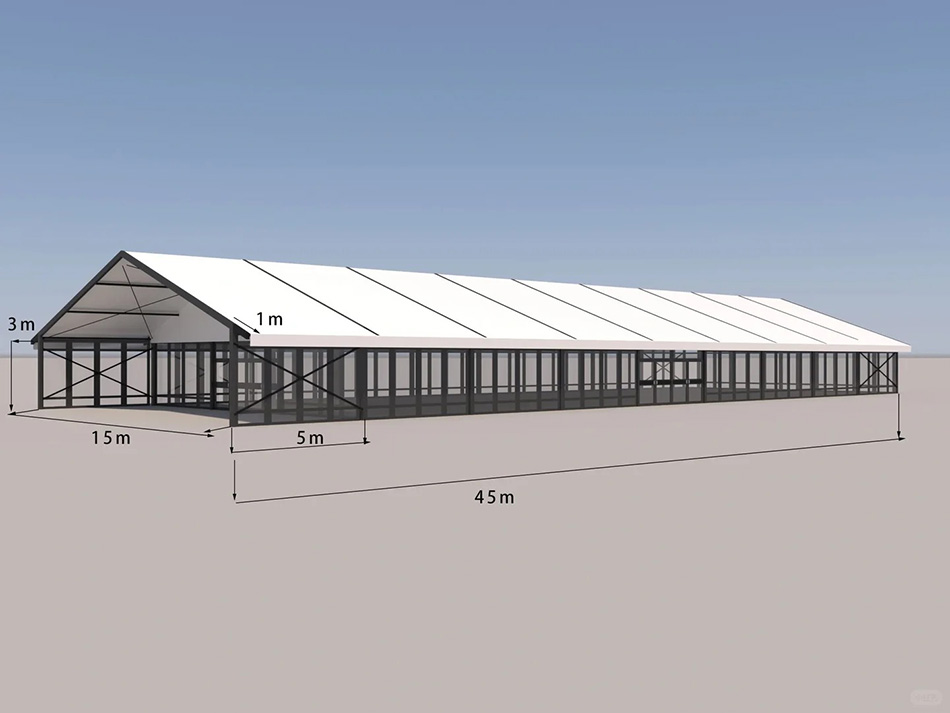
Due to their flexibility and practicality, tents are widely used in commercial events, outdoor activities, temporary storage, and other fields. When setting up a tent, it is essential to ensure that the structure is safe, fully functional, and meets usage requirements. This involves paying close attention to several aspects, including preliminary preparations, the setup process, post-setup inspections and maintenance, and safety precautions. Only through comprehensive planning and meticulous execution can the stability, safety, and practicality of the tent be guaranteed.
I. Preliminary Planning
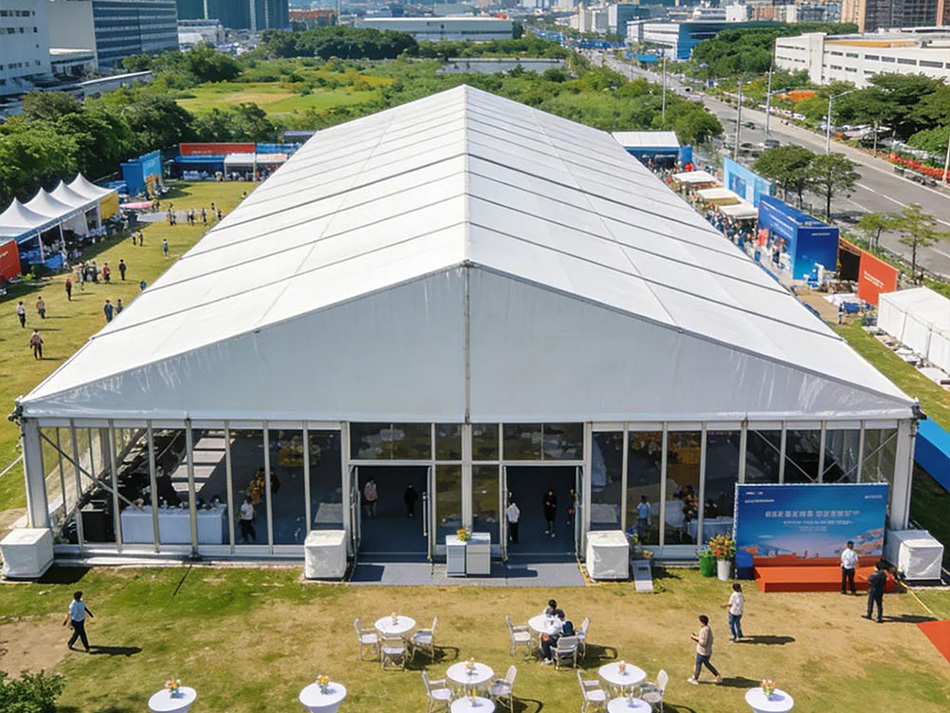
Give priority to flat sites and avoid setting up on slopes, in pits, or on uneven ground. If the site is slightly uneven, it must be leveled in advance to ensure the structural stability of the tent. Select the appropriate tent type based on its intended use. Additionally, assess the site’s drainage conditions and avoid areas prone to water accumulation—such as low-lying areas—to prevent water from pooling at the base of the tent during rainy weather, which could cause damage.
II. Setup Process
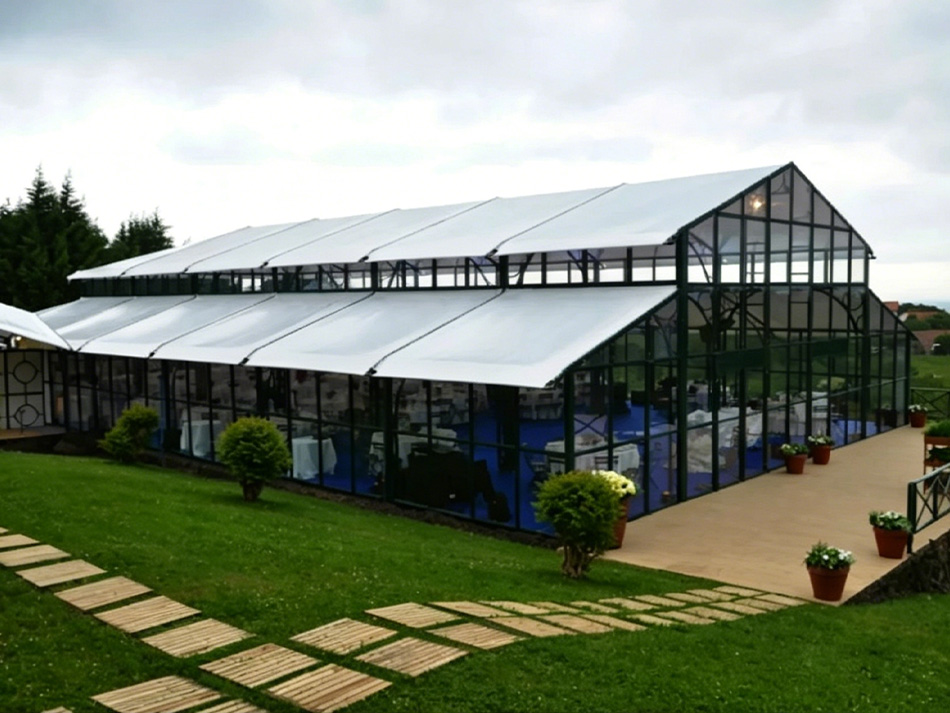
Assemble the frame strictly in accordance with the tent’s installation manual. During assembly, ensure that all components are securely connected and use the appropriate tools to tighten screws and nuts to prevent loosening. Select the appropriate anchoring method based on the size of the tent and the installation environment. On standard ground surfaces, use expansion bolts to secure the tent’s base; on soft ground, such as grass, use ground stakes, ensuring they are driven in to a sufficient depth and secured with stakes ropes. In coastal or windy areas, additional guy lines should be installed to ensure the tent’s safety during inclement weather.
III. Installation of Supporting Facilities
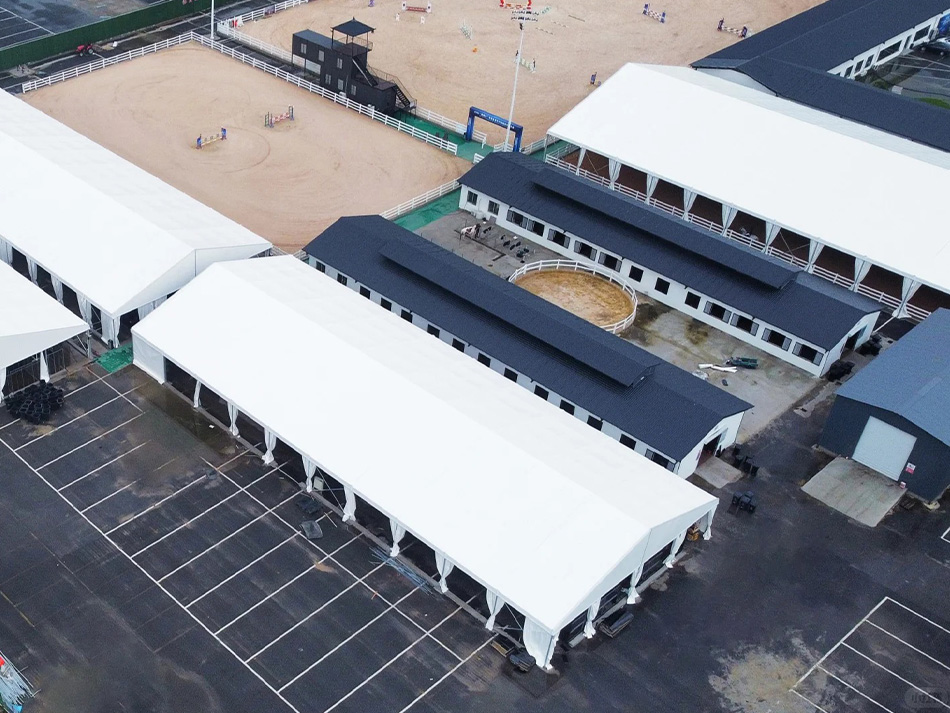
Select flooring materials based on the tent’s intended use. When laying the flooring, ensure the surface is level and that the materials are laid tightly together, with no hollow spots or翘起现象. If the tent requires water supply and drainage facilities—such as for dining or restroom areas—plan the routing of water pipes in advance. Water pipes must be installed securely to ensure a tight seal and prevent leaks. Additionally, connect the drainage pipes properly to ensure smooth drainage and prevent water accumulation.
IV. Post-Assembly Inspection
Conduct a general visual inspection of the assembled tent to ensure the frame is straight and free of any tilting or deformation. Gently shake the tent frame to check that the joints are secure and show no signs of loosening. Carefully inspect all components of the tent, including the frame poles, connectors, and tent fabric, to ensure there is no damage or missing parts. Check that the tent fabric is securely fastened and that there are no tears or holes.
-
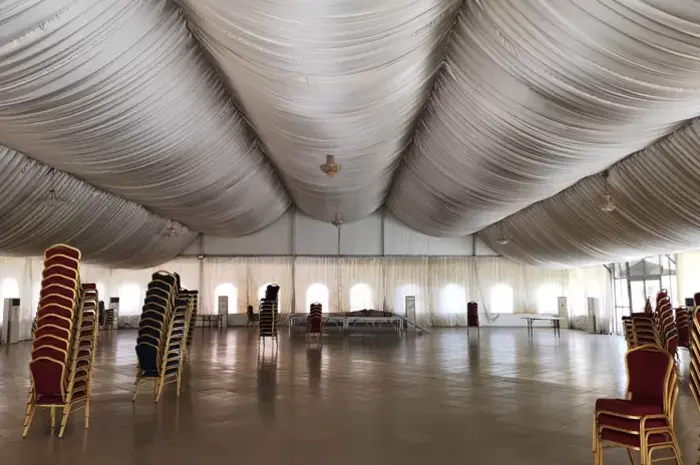 The New Era of Revival: Why the 25x30m USA Church Tent Is Transforming Faith EventsMay,06,2025
 -
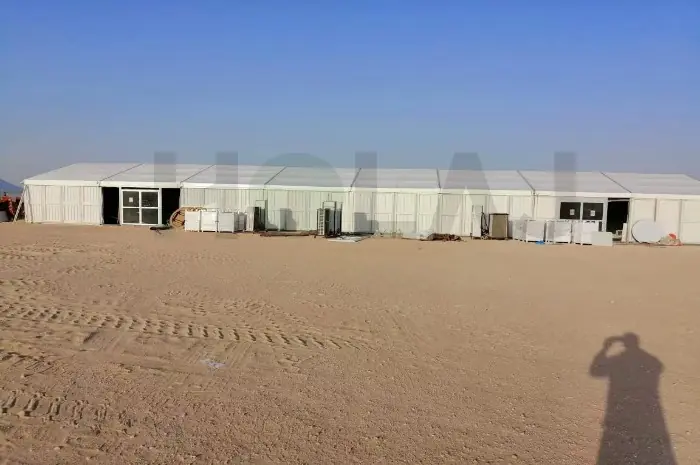 2025 Saudi Arabia Industrial Tent Solutions: Why Superb Holaj Tents Lead the MarketJun,04,2025
 -
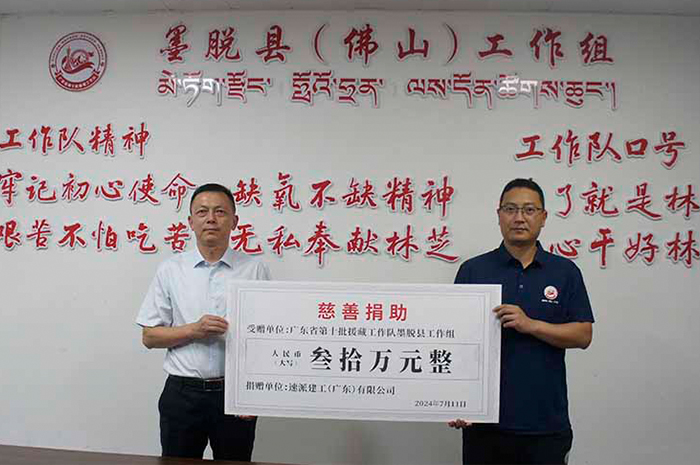 Superb went to Medog to carry out exchange and docking activitiesJul,19,2024
 -
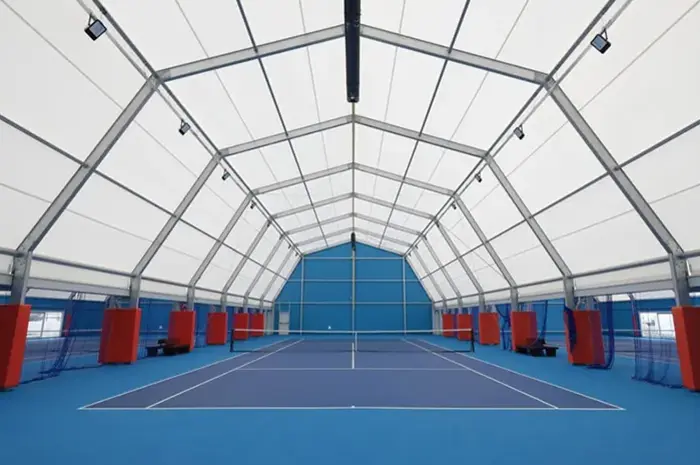 Successful Installation of 20x45m Sports Tent Hall in Melbourne, AustraliaApr,25,2025
 -
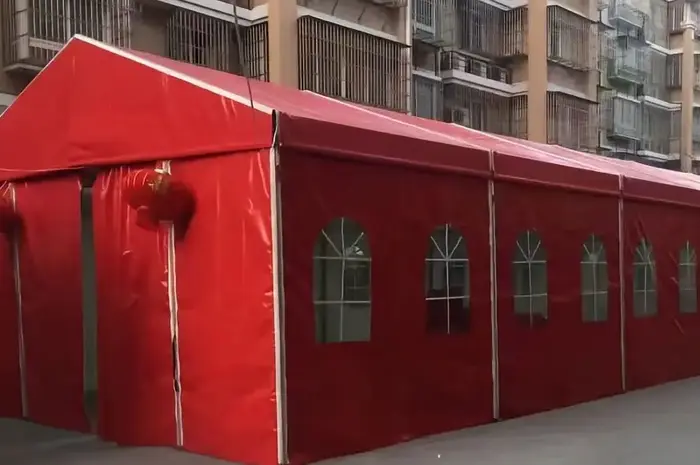 24x6m Red and White Wedding Tent: Superb Holaj Tent’s Ultimate Outdoor SolutionMay,22,2025



 Links
Links


