
What problems can arise from poor marquee design?
Marquees are widely used in settings such as trade shows, wedding receptions, corporate events and warehousing and logistics. However, when purchasing or commissioning a marquee, many customers tend to focus solely on price and appearance, whilst overlooking the importance of sound design. If a marquee is poorly designed, numerous issues are likely to arise during assembly, use and subsequent maintenance. Below, we outline the common problems that can result from poor marquee design.
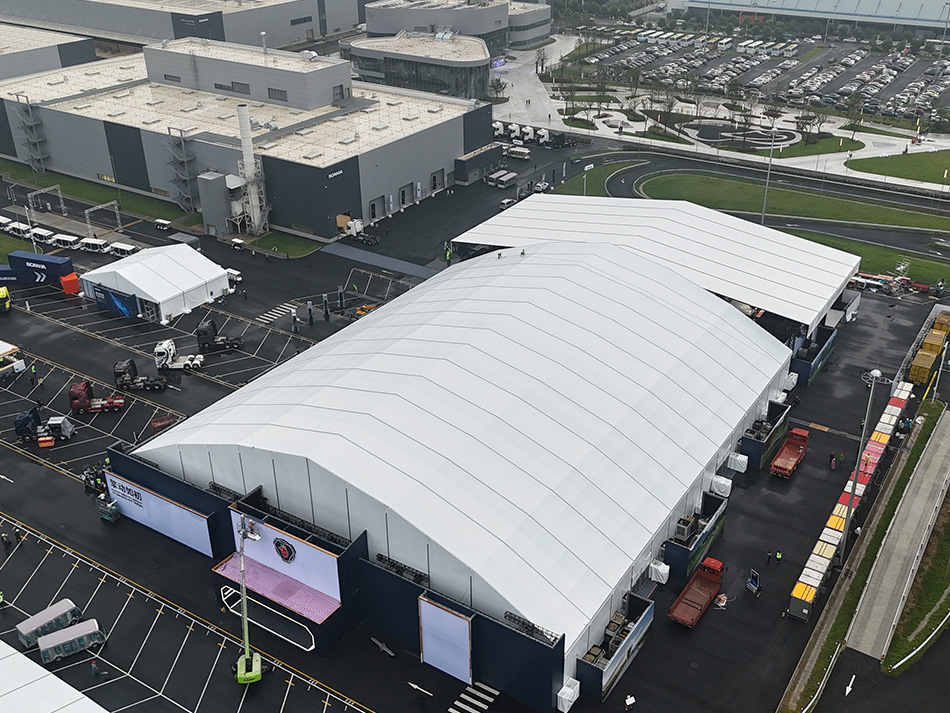
Insufficient overall stability, posing safety hazards
A common issue with poorly designed marquees is inaccurate structural load calculations. Examples include excessive spans without reinforcement of the main frame, an insufficient number of columns, and the absence of diagonal braces and tie rods. Whilst such marquees may appear sound in normal weather conditions, they are prone to swaying and deformation when exposed to strong winds, heavy rain or snow loads. In severe cases, they may even collapse, which not only affects usability but also poses significant safety risks.
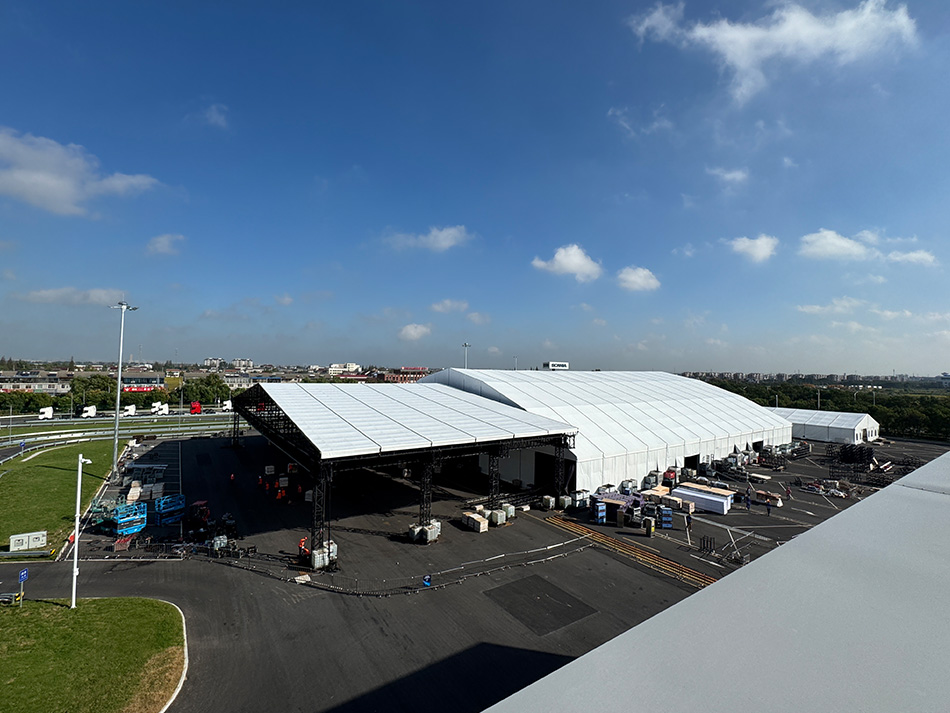
2. Poor wind and rain resistance, resulting in a substandard user experience
If local climatic conditions are not adequately taken into account during the design of a marquee—for example, if the roof pitch is too shallow, the drainage system is poorly designed, or the tarpaulin overlaps are not correctly aligned—problems such as water accumulation, seepage and leaks are likely to occur. Furthermore, inadequate sealing of doors, windows and side walls can lead to significant draughts inside the marquee, disrupting the smooth running of events, exhibitions or storage operations.
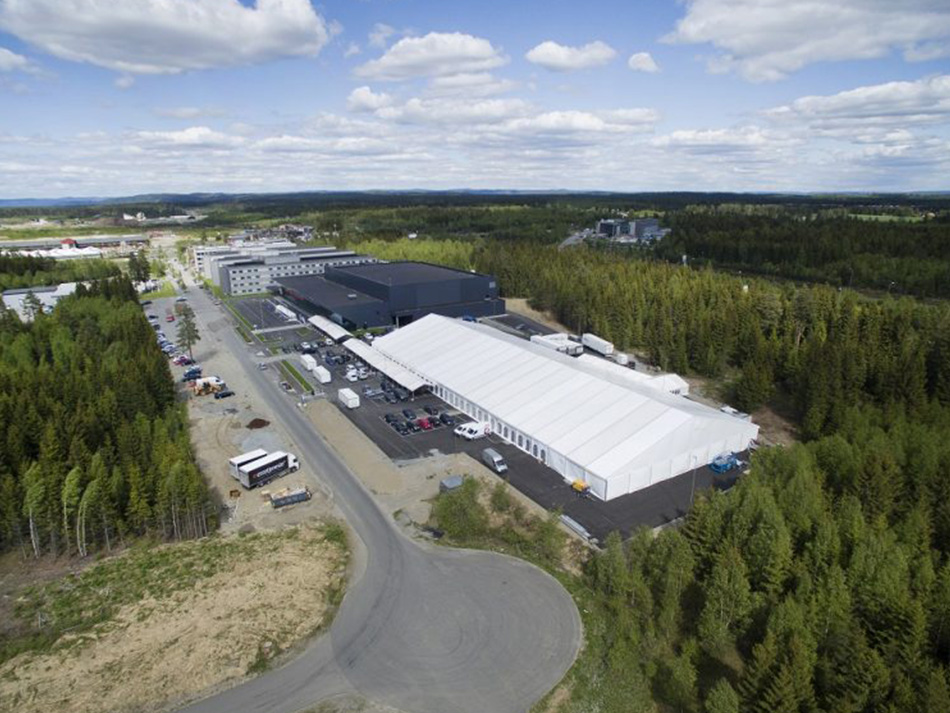
3. Poor Space Utilisation and Inappropriate Functionality
Some marquee designs focus solely on external dimensions whilst neglecting practical requirements, such as column positions obstructing passageways, insufficient internal headroom, and difficulties in moving equipment in and out. Such designs directly reduce the marquee’s practicality and result in wasted space; even if modifications are made at a later stage, this will incur additional costs, making it a case where the costs outweigh the benefits.
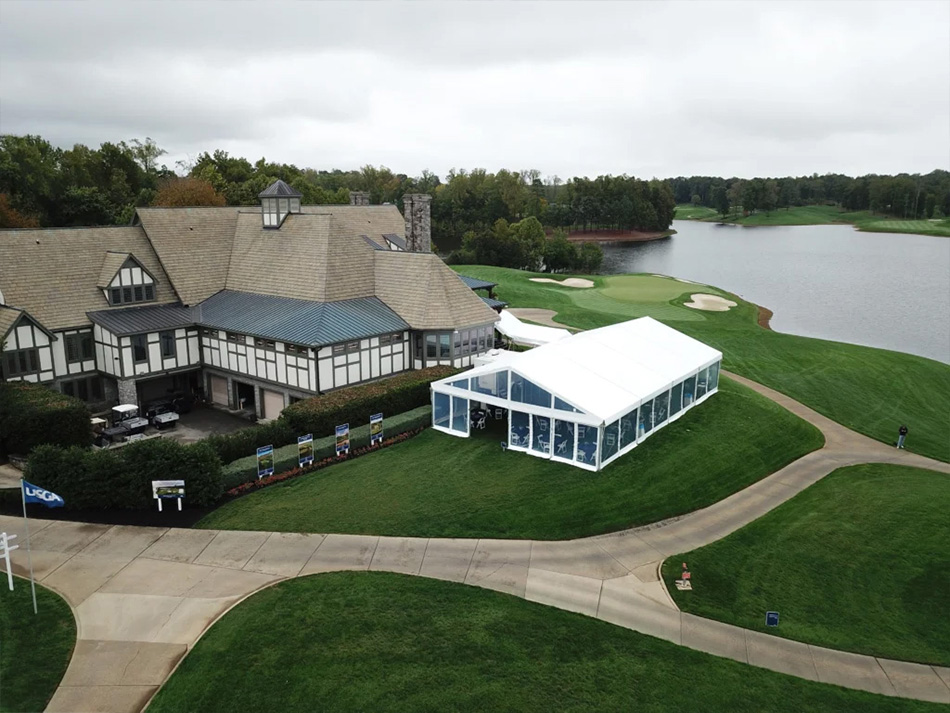
4. Increased installation and maintenance complexity, and rising operating costs
Poorly designed marquees often feature complex, non-standardised components that require repeated adjustments during installation, resulting in longer construction periods and higher labour costs. Furthermore, when replacing marquee fabric or repairing components at a later stage, non-standardised structures may make it difficult to find compatible parts, leading to maintenance difficulties and increased costs, thereby significantly raising the overall operating costs.
-
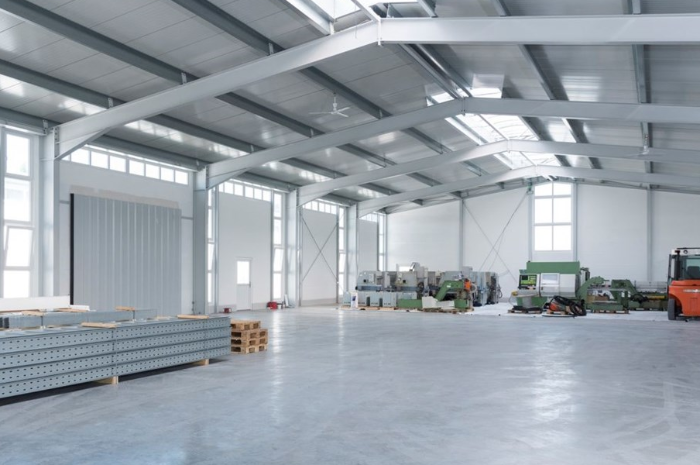 How to Choose the Right Warehouse Tent for Your Industry?Apr,16,2025
 -
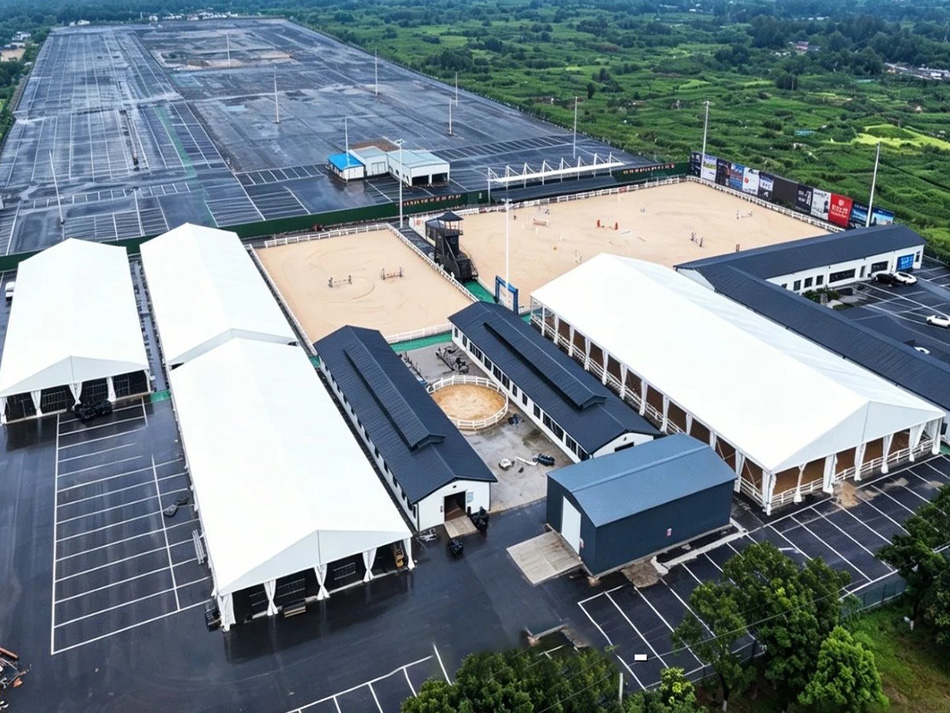 Why Choose Holaj Tents for Your Business?Jun,12,2026
 -
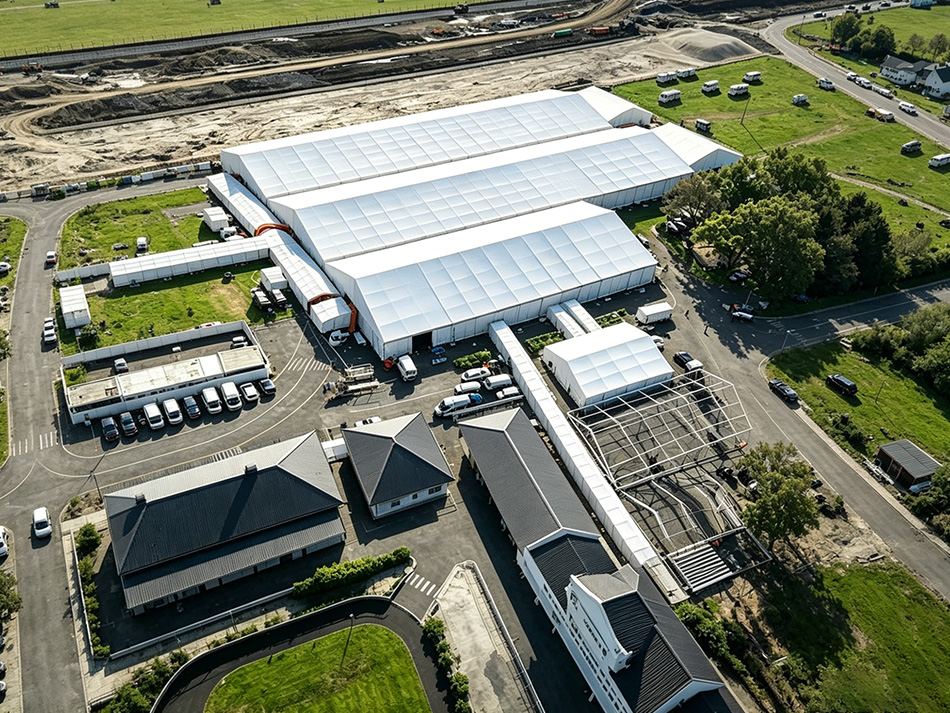 Should I choose a tent or a shipping container for temporary storage?Jun,16,2026
 -
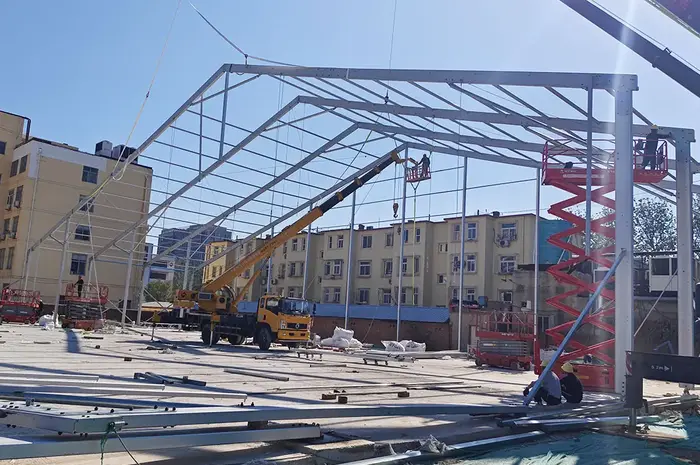 Aluminum Frame Tent Planning Guide | Fast Setup, Fireproof, CustomizableJun,03,2025
 -
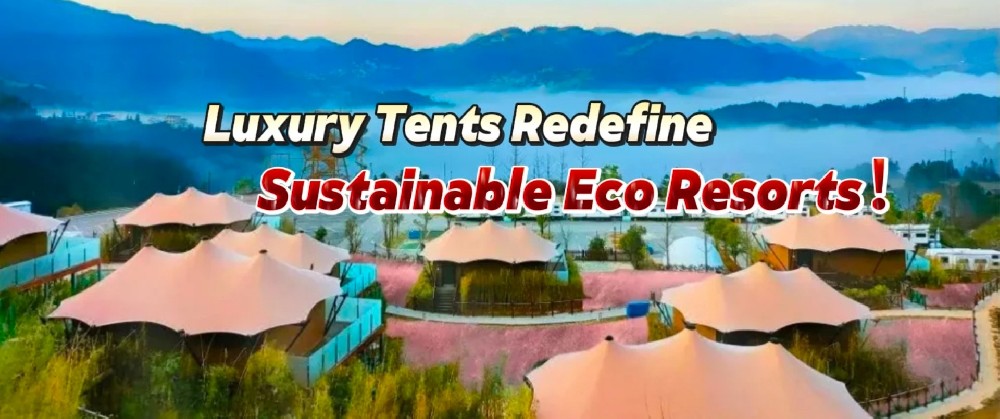 Luxury Tents in Sustainable Eco ResortsMar,31,2025



 Links
Links


